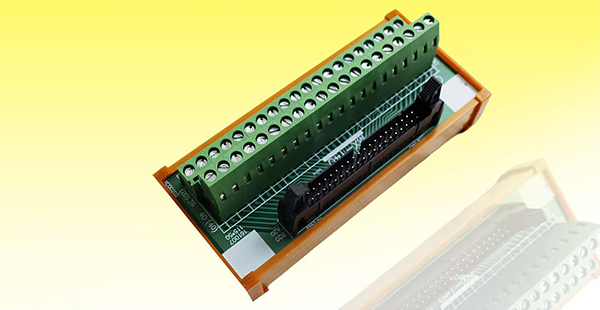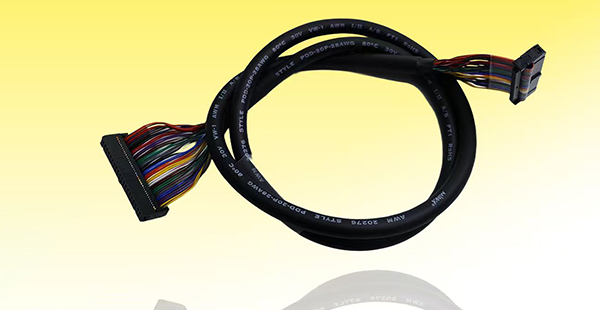
Servo cables are wire products used to transmit electrical (magnetic) energy, information, and achieve electromagnetic energy conversion. Broadly speaking, wires and cables are also referred to as cables. Narrowly defined, cables refer to insulated cables, which can be defined as a collection of the following components:; One or more insulated wire cores, as well as their respective protective layers, total protective layer, and outer protective layer, may also have additional uninsulated conductors in the cable. Wire products used for transmitting electrical (magnetic) energy, information, and achieving electromagnetic energy conversion.
Next, the servo cable manufacturer will explain to you the main process flow of wire and cable: servo cable.
The wires and cables are routed through:
The more complex the model specifications, the higher the repeatability, which are produced by three processes: drawing, twisting, and wrapping.
1.Drawing and drawing
In metal pressure processing The technical processing method of forcibly passing metal through a mold (pressure wheel) under external force, compressing the cross-sectional area of the metal, and obtaining the required cross-sectional area shape and size is called metal drawing. The drawing process is divided into single wire drawing and twisting drawing.
2.Twisted
In order to improve the flexibility and integrity of wires and cables, twisting two or more single wires together in the specified direction is called twisting. The twisting process includes conductor twisting, cabling, weaving, steel wire armor, and winding.
3.Coating
According to different performance requirements for wires and cables, specialized equipment is used to wrap different materials around the conductor. The wrapping process is divided into:
A. Squeezing: Materials such as rubber, plastic, lead, aluminum, etc.
B. Vertical package: rubber, wrinkled aluminum strip material.
C. Wrapping: Ribbon paper tape, mica tape, alkali free glass fiber tape, non-woven fabric, plastic tape, etc., linear fiber materials such as cotton yarn and silk.
D. Dip coating: insulation paint, asphalt, etc.